Wisdom Teeth Swollen Cheeks: What We Still Don’t Know
Heads up: this article contains affiliate links. If you buy through them, we may earn a commission at no extra cost to you.
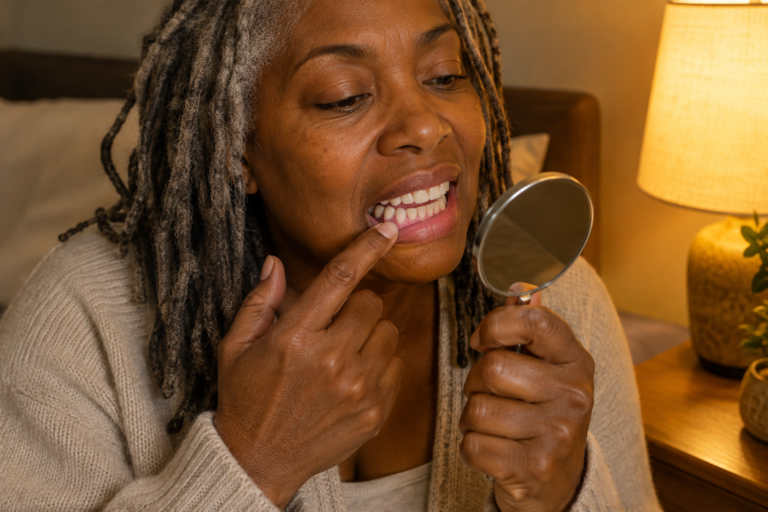
Wisdom teeth swollen cheeks is one of those searches that happens at an uncomfortable moment — usually late at night, one hand pressed against your face, wondering whether what you are feeling is normal or something to take seriously.
The good news is that a lot is known about this topic. The less reassuring news? Some of the most practical questions people ask do not have clean, universally agreed-upon answers yet. Understanding where the gaps are can actually help you make better decisions — and avoid the frustration of expecting certainty where none exists.
What Research Does Fairly Well Explain
Before getting into the gaps, it is worth acknowledging what is reasonably well established.
Wisdom teeth — the last molars to come in, usually in a person’s late teens or twenties — can cause cheek and gum swelling for several reasons. When a tooth is only partially emerged through the gum tissue, that partially covered area can trap debris and become irritated. When a tooth is angled in a way that does not allow it to fully emerge, the surrounding tissue often responds. After a wisdom tooth is professionally removed, some degree of puffiness and facial tenderness in the following days is widely considered a normal part of the body’s healing response.
That much is consistent across dental literature. The trouble starts when you get into the specifics.
The Gaps Most Articles Quietly Gloss Over
How Long Is ‘Normal’ Swelling for an Unerupted Tooth — and Nobody Agrees
If you search how long cheek swelling from a wisdom tooth should last, you will find a range of answers that do not line up. Most information focuses on swelling after extraction, where timelines are a bit more predictable. But what about swelling from a tooth that has not been removed — one that is simply erupting, or partially stuck?
Research here is surprisingly thin. The honest answer is that swelling duration in this situation varies widely between individuals and depends on factors that are hard to assess without an X-ray and a clinical examination. The timeline you read in one article may not reflect your situation at all.
Mild Irritation vs. Something More Serious — The Line Is Blurry
One of the most important questions someone with wisdom teeth swollen cheeks wants answered is: ‘Is this just irritation, or is something wrong?’ And the frustrating truth is that research does not give us a symptom checklist precise enough to answer that at home.
Some signs are clearer than others. Swelling that is spreading noticeably toward the neck or making it difficult to swallow or breathe is widely treated as urgent by dental professionals — that is not a ‘wait and see’ situation. Fever alongside swelling is another signal that warrants prompt attention rather than home care.
But in the middle ground — swelling that has been present for several days without obvious worsening, mild tenderness, a slightly unpleasant taste — the research does not give us reliable thresholds for ‘this is fine’ versus ‘this needs attention today.’ Dental professionals use clinical judgment and imaging to make that call, and that judgment is not something any article can fully replicate.
Post-Extraction Swelling: When Does ‘Normal’ Become ‘Concerning’?
Pages about recovery after wisdom tooth removal often mention that swelling peaks around the second or third day, then gradually improves. What most of them do not explain clearly is what it looks like when that pattern reverses — when swelling that seemed to be settling starts increasing again.
The research on this is not as robust as patients might hope. We know that increasing swelling after several days of improvement can be a warning sign, but we do not have well-validated guidance on exactly how much increase, over exactly how many hours, should trigger a call to your dentist. Patients are often left relying on their own judgment in a moment when anxiety is already high.
Why One Side of Your Face Swells but Not the Other — Often Unexplained
Most people experience wisdom tooth issues on one side at a time, but the question of why asymmetric swelling occurs — and whether the side that seems fine really is fine — rarely gets a thorough answer. Cheek swelling on one side can occasionally have causes unrelated to the wisdom tooth itself. This gets limited attention in most educational content, even though it is a reasonable question to ask.
The Oral Microbiome Angle: Promising but Still Being Studied
In recent years, researchers have been paying more attention to the community of bacteria that lives in the mouth — the oral microbiome — and its relationship to gum tissue health. The emerging picture suggests that the balance of bacteria in the mouth may play a role in how gum tissue responds to various triggers, including the stress of a partially erupted tooth.
What research does NOT yet clearly show is how to reliably shift that bacterial balance through everyday habits, how long such a shift takes, or whether supporting a healthier oral environment would meaningfully change how someone experiences gum tenderness and puffiness. This is an active area of interest, but the honest position is that the science here is still developing. Anyone who tells you this is fully mapped out is getting ahead of the evidence.
Free guide
The Fresh-Mouth Morning Ritual: A 10-Minute Daily Routine for Healthier Teeth, Stronger Gums, and Breath You Feel Good About
Download our free 10-minute morning ritual guide and build a simple daily routine that supports your teeth, gums, and breath — no expensive products required. Enter your first name and email and you’ll get it right away.
You’ll get the guide right away, plus a few short tips by email. Unsubscribe any time. Privacy Policy
What You Can Do in the Meantime
While the research catches up, there are some broadly sensible habits that dental professionals generally support — without overpromising results:
Keep the area as clean as you reasonably can. Gentle rinsing with warm salt water is widely recommended for helping to clear debris around a partially erupted tooth. The keyword is gentle — aggressive rinsing or poking around with implements can cause more harm than good.
Cold compresses on the outside of the cheek are commonly suggested in the first day or two to help manage puffiness and tenderness. After the first couple of days, some guidance shifts toward warmth — though this is one of those areas where recommendations vary.
Soft foods reduce the mechanical stress on an already tender area. This is straightforward and low-risk advice.
Pay attention to changes. Because the research does not give us clear thresholds, your best tool is noticing whether your symptoms are improving, staying the same, or worsening. Worsening — especially rapid worsening, spreading facial puffiness, or difficulty opening your mouth fully — is a reason to contact a dental professional promptly rather than continuing to manage at home.
Do not delay a professional evaluation indefinitely. This matters especially if swelling keeps returning in the same spot. Recurrence often signals that the underlying cause has not resolved.
The Mouth Is a System
One thing the growing body of oral health research does suggest, even if many specifics remain unsettled, is that the mouth functions as an interconnected environment. Gum tissue, bacteria, teeth, and the conditions we create through daily habits all influence each other. That means caring for your overall oral environment — not just reacting to problems as they arise — may be a more sustainable approach than many people take.
What that looks like in practice is still being worked out. But the direction of the research points toward the importance of the bacterial environment in the mouth, not just mechanical cleaning, as a meaningful part of the picture.
That is a genuinely interesting shift — and one worth keeping an eye on as evidence continues to develop.
If you have been reading about the oral microbiome and wondering what everyday support for gum and teeth health looks like, our ProDentim product page walks through one option in this space — including what it contains and how it is designed to work.
Visit the product page here:
Disclosure: This article contains affiliate links. If you purchase through them, we may earn a commission at no additional cost to you.
Medical Disclaimer. The content on this site is for informational purposes only and is not medical advice. It is not a substitute for professional diagnosis or treatment. Always consult a qualified healthcare provider before starting any supplement, especially if you have a medical condition or take medication.
FDA Structure-Function Statement. These statements have not been evaluated by the Food and Drug Administration. This product is not intended to diagnose, treat, cure, or prevent any disease.