
Yellow Teeth Filter: What Research Still Cannot Tell You
Heads up: this article contains affiliate links. If you buy through them, we may earn a commission at no extra cost to you.
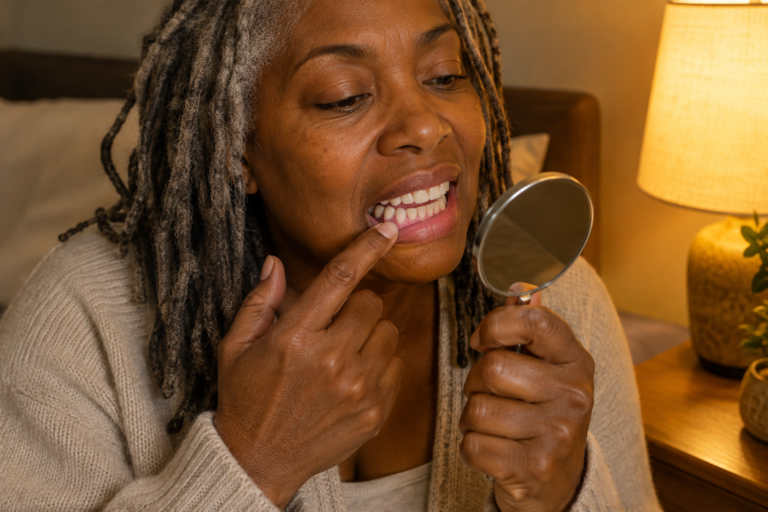
If you have ever typed ‘yellow teeth filter’ into a search bar, you already know the feeling. You are not looking for a photo app trick. You are looking for a real answer — something that actually works, not something that makes your teeth look white in a selfie while nothing changes in the mirror the next morning.
The honest truth? Even in 2026, the research on tooth discoloration leaves a lot of gaps. This article is not going to pretend otherwise. What follows is a straight look at what the science can and cannot currently tell you — because knowing the limits of the evidence helps you make smarter decisions.
Why Yellow Teeth Happen: The Part Experts Actually Agree On
There is reasonable consensus on the main drivers. According to general guidance from MedlinePlus, teeth can yellow from aging, dark-colored foods and drinks, tobacco use, or inadequate oral care. That part of the picture is well-established.
What is also broadly agreed upon is the difference between surface-level discoloration and deeper discoloration that originates inside the tooth structure itself. Surface staining builds up on the outer layer of the tooth and can often be addressed through cleaning and improved daily habits. Deeper discoloration — coming from changes within the tooth material — is a different problem entirely and does not respond the same way to surface treatments.
What the Yellow Teeth Filter Question Is Really Asking
Most people searching this phrase are not asking about camera filters. They want to know: ‘Can I filter out the yellow in real life?’ And that question runs straight into the edge of what current research can reliably answer.
Here is what the evidence is genuinely unclear about:
Which cause is actually yours? Most guides list causes in a row — aging, food, tobacco, wear — but very few explain how to work out which one you are dealing with. Is your discoloration affecting one tooth or many? Is it near the gumline or spread across the whole surface? Does it come with any tenderness or sensitivity? The answers matter, because the right next step depends entirely on the cause, and the research does not yet give most people a reliable at-home way to identify it.
How much of whitening is real versus optical? Some of what gets marketed as ‘whitening’ creates a visual shift rather than actually removing stain from the tooth surface. The difference between brightening, stain removal, and bleaching is often blurred in product marketing and, frankly, in many consumer-facing articles. Research on long-term outcomes between these categories is thinner than most people realize.
What happens when your mouth has mixed materials? If you have fillings, crowns, veneers, or bonding anywhere in your mouth, whitening approaches will not affect those surfaces the same way they affect natural enamel. The result can be uneven. Studies on how to predict and manage this in a home setting are limited.
How do you know when to stop? Many guides mention risks from unsuitable DIY methods but rarely explain how to recognize early enamel damage or when a method is doing more harm than good. The research on recognizable warning signs that an at-home approach is damaging enamel — rather than just temporarily sensitizing the tooth — is not yet detailed enough to give people a clear personal decision guide.
Does frequency of brushing alone make a difference? The standard dental health guidance recommends brushing twice daily with fluoride toothpaste, and that is the right foundation. But the research on whether more frequent brushing speeds up stain reduction — versus simply maintaining oral health — is not particularly strong.
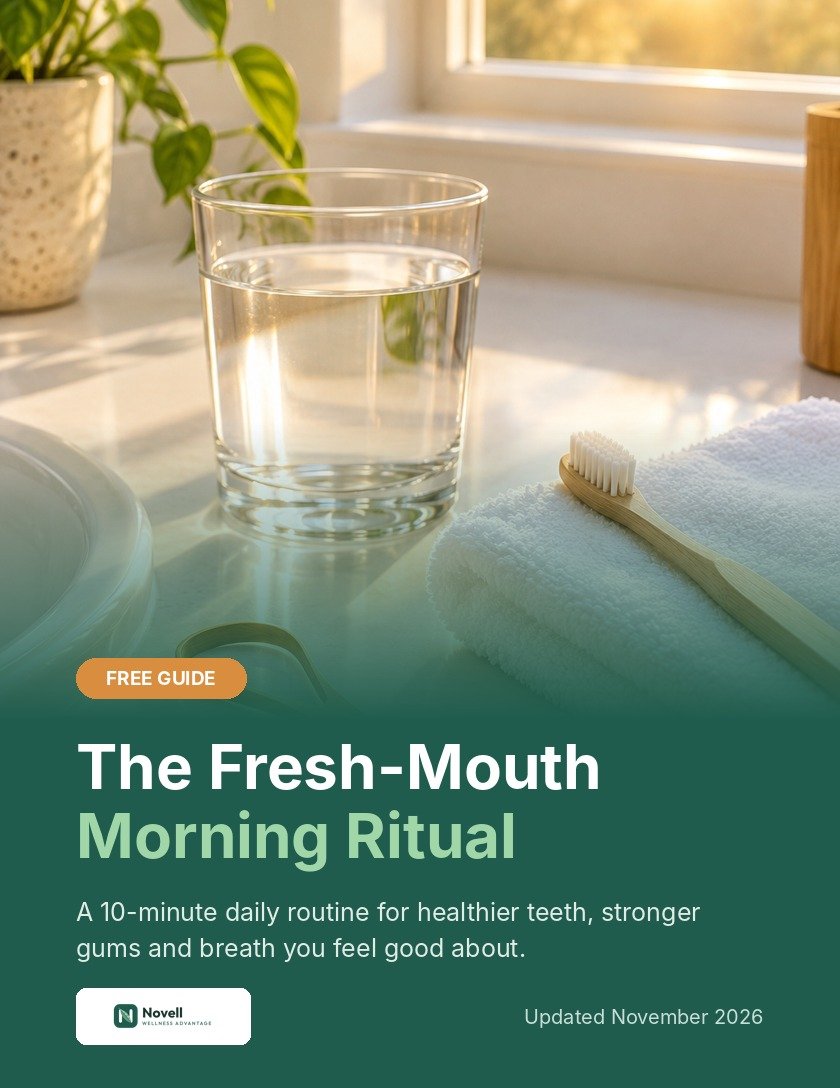
Free guide
The Fresh-Mouth Morning Ritual: A 10-Minute Daily Routine for Healthier Teeth, Stronger Gums, and Breath You Feel Good About
Download our free 10-minute morning ritual guide and build a simple daily routine that supports your teeth, gums, and breath — no expensive products required. Enter your first name and email and you’ll get it right away.
You’ll get the guide right away, plus a few short tips by email. Unsubscribe any time. Privacy Policy
The Mouth Microbiome: An Emerging Area With a Lot Still Unknown
One area that has attracted genuine scientific interest in recent years is the role of the oral microbiome — the community of bacteria living in your mouth — and its relationship to overall oral health.
This is still an evolving field. What researchers are exploring is whether the balance of bacteria in the mouth may play a role in conditions that go beyond what brushing alone can address. The science here is early. Claims in this space should be read carefully, with an eye for what has solid evidence behind it and what is still being studied.
According to the vendor, ProDentim is a chewable supplement formulated with oral health in mind. According to the product’s own information, it contains, according to the vendor, 3.5 billion probiotic bacteria (across three strains: Lactobacillus Paracasei, B.lactis BL-04®, and Lactobacillus Reuteri), along with a proprietary blend that includes inulin, malic acid from strawberries, tricalcium phosphate, and peppermint. The product page states that malic acid in strawberries ‘helps maintain tooth whiteness’ and that the formula is designed to support the health of your gums and teeth by repopulating the mouth with good bacteria.
Is this the whole answer to the yellow teeth filter question? No, and it would be misleading to frame it that way. ProDentim is not a whitening treatment in the conventional sense, and what any individual experiences will vary. But for men who want to approach oral health from the angle of what is happening inside the mouth — not just what is on the surface — the probiotic microbiome angle is at least grounded in an active and interesting area of research.
The product page also notes the vendor states the formula is manufactured in an FDA-registered facility, is non-GMO, gluten-free, and non-habit forming, and comes with a 60-day money-back guarantee.
What Should You Actually Do?
Given the genuine gaps in the research, here is a practical framework:
Start with the basics and do them consistently. Daily brushing with fluoride toothpaste, cleaning between teeth, and reducing exposure to heavily staining foods and drinks — this is the foundation the evidence supports most strongly.
Get a professional assessment before spending money on cosmetic approaches. If your yellowing involves tenderness, bad breath, bleeding, or anything that looks like a hole in the tooth, the Cleveland Clinic advises seeking dental care promptly rather than trying to address it cosmetically first. Surface treatments will not fix an underlying issue.
Understand what category of problem you have before choosing a solution. Surface staining responds differently from deeper discoloration. Mixed restorations change the picture further. Ask your dentist to help you identify what you are actually dealing with before you invest in any approach.
Be realistic about what any single product can deliver. The research does not yet support the idea that any one supplement, strip, or rinse is a complete answer. Supporting your oral health from multiple angles — daily habits, professional care, and potentially a supplement that addresses the bacterial environment in your mouth — reflects the current state of the evidence more honestly than any single-solution claim.
The yellow teeth filter you are looking for is not a quick fix. But you are asking the right question — and the more clearly you understand what the research can and cannot tell you, the better placed you are to take steps that actually make a difference.
If you want to explore what the probiotic and microbiome angle looks like in practice, you can read more about ProDentim on our product page — including the full ingredient list and what the 60-day guarantee covers.
See the ProDentim product page at Novell Wellness Advantage
Disclosure: This article contains affiliate links. If you purchase through them, we may earn a commission at no additional cost to you.
Medical Disclaimer. The content on this site is for informational purposes only and is not medical advice. It is not a substitute for professional diagnosis or treatment. Always consult a qualified healthcare provider before starting any supplement, especially if you have a medical condition or take medication.
FDA Structure-Function Statement. These statements have not been evaluated by the Food and Drug Administration. This product is not intended to diagnose, treat, cure, or prevent any disease.