Swelling in Knee Without Pain: What It Means and a Daily Routine That Helps
Heads up: this article contains affiliate links. If you buy through them, we may earn a commission at no extra cost to you.
If you have noticed swelling in your knee without pain — a puffy, full, or slightly swollen knee that does not actually hurt — you are probably more confused than alarmed, and that confusion is understandable. Most of what you read online focuses on painful, injured knees, so unexplained painless swelling can feel like a mystery nobody has bothered to solve for you. This article is here to help you make sense of what might be happening, know when to call your doctor, and build a realistic daily routine that supports your knee health going forward.
What ‘Swelling in the Knee’ Actually Means
Before anything else, it helps to be clear about what kind of swelling you are seeing. Swelling around the knee can show up in a few different forms, and the location and character of the swelling often matter as much as the swelling itself.
Fluid inside the joint itself tends to make the whole knee look uniformly puffy or balloon-like. You might notice the natural dip or hollow on either side of your kneecap has filled in and disappeared. The knee may feel heavy, stiff when you first bend it, or slightly limited in how far it can flex or straighten — even without sharp pain.
Localized swelling at a specific spot — say, directly on the kneecap, below it, or behind the knee — usually points to something outside the joint space rather than inside it. A soft lump at the back of the knee, for example, often involves a small fluid-filled sac that has formed behind the joint.
Knowing which type you have is worth noting before you speak to your doctor, because the distinction helps them narrow things down quickly.
Why a Knee Can Swell Without Hurting
This is the part most articles gloss over. They list causes of a swollen knee and move on, without explaining that some of those causes frequently show up with very little pain — especially in the early stages, or in people whose bodies have been managing the problem quietly for a while.
Here are several reasons a knee may swell without significant pain:
Fluid accumulation from low-grade joint changes. As joints age, the fluid environment inside them can shift. The synovial fluid — the natural lubricating fluid inside your knee joint — can change in volume or character. Sometimes the joint produces extra fluid in response to low-level stress or irritation, and the swelling builds slowly enough that pain never becomes the primary signal.
Bursae irritation. Small fluid-filled cushioning sacs called bursae sit at several points around your knee. When one becomes irritated — from kneeling, repetitive movement, or prolonged pressure — it can swell noticeably without causing the kind of pain you might expect. The swelling is often soft, sits at a specific spot, and may come and go.
A cyst behind the knee. A fluid-filled cyst at the back of the knee is quite common in older adults. It can cause a visible or palpable lump and a sense of fullness or mild pressure without being particularly painful, especially when you are standing still.
Inflammatory changes without acute pain. Some joint-related inflammatory processes develop gradually. The swelling may precede any significant discomfort by weeks or even months. This is one reason painless swelling still deserves attention — the absence of pain does not necessarily mean nothing is happening.
Crystal deposits. Certain conditions involve crystals forming inside the joint, which can cause swelling. These can sometimes be relatively quiet between flare-ups, with puffiness persisting after a mild episode has passed.
Early infection. This one matters. In rare cases, an infection inside the knee joint can begin without intense pain — particularly in older adults whose pain response may be less acute. This is why the red flags described below are worth knowing.

Free guide
7 Morning Moves for Stiff Joints After 45
A gentle 10-minute routine for knees, hips and hands — most of it done before you even get out of bed. Enter your first name and email and you’ll get it right away.
You’ll get the guide right away, plus a few short tips by email. Unsubscribe any time. Privacy Policy
What You Should Record Before Calling Your Doctor
One thing most articles leave out is how to prepare for your appointment so you get useful answers rather than a rushed assessment. Before you call, write down:
- When you first noticed the swelling — did it appear overnight, build over days, or come and go?
- Whether it has happened before in this knee or any other joint
- Any recent changes in activity — a long walk, gardening, kneeling, or sitting differently
- Whether you have had any recent illness, fever, or felt generally unwell
- Whether the skin over the knee looks red, feels warm to the touch, or has changed color
- Whether you have noticed swelling elsewhere — in your ankles, fingers, or other joints
That list takes five minutes to write and can make a ten-minute appointment significantly more productive.
When to Seek Prompt Medical Attention
Most cases of painless knee swelling are not emergencies, but some situations call for prompt evaluation rather than a routine appointment:
- The knee is visibly red and warm to the touch, especially alongside any fever or feeling unwell. This combination should be assessed quickly.
- The swelling appeared suddenly and is severe.
- The shape of your knee looks noticeably different or abnormal.
- You are having difficulty bearing weight or straightening the leg.
- The swelling is accompanied by swelling in multiple other joints at the same time.
If none of these apply and you are simply dealing with mild, unexplained puffiness that has been there for a few days or weeks, a scheduled appointment with your primary care physician is the right starting point.
A Realistic Daily Routine for Supporting Your Knee Health
Whether your doctor is still investigating the cause or has given you guidance on managing low-level joint swelling, the daily habits below can help support your knee health in the meantime. This is not a treatment plan — it is a sensible way to structure your day when your knees need looking after.
Morning: Start Gently
Stiffness and swelling in the knee often feel worst first thing in the morning. Rather than jumping up and immediately putting full load through the joint, give yourself ten minutes.
While still seated on the edge of the bed, slowly bend and straighten each knee several times. Then, before standing, do a few gentle ankle circles to get circulation moving in your lower legs. Stand up slowly and take a moment to let your body adjust before walking.
Avoid rushing through your morning or starting with any high-impact movement. If you normally go for a walk first thing, consider a shorter, slower loop than usual and see how the knee responds before returning to your normal distance.
Breakfast: Choose a breakfast that includes some protein and healthy fats alongside any carbohydrates. Eggs, natural nut butters, Greek yogurt, or smoked fish are examples. This is not about a strict diet — it is simply about giving your body building materials early in the day rather than a sugar spike that fades by mid-morning.
This is also when you might take any morning supplements. If you are currently taking a joint support supplement — more on that below — check the label for whether it is best taken with food.
Mid-Morning: Movement Without Overloading
If your knee is visibly swollen, this is not the moment for a long power walk or gardening session on your hands and knees. But gentle, non-impact movement is generally better than sitting completely still, which can allow the joint to stiffen further.
A ten to fifteen minute walk on a flat surface — indoors or out — keeps the joint moving without excessive load. Alternatively, seated exercises like gentle leg raises or heel slides (lying on your back and slowly sliding one heel toward you, bending the knee as far as is comfortable, then slowly straightening it again) are good options on days when the knee feels particularly puffy.
If you have access to a pool, water-based movement is a genuinely useful tool for days when the knee is irritated. The water supports your body weight, reducing load on the joint while still allowing movement.
Hydration: Keep a glass of water within reach through the morning. Joints — and the fluid environment inside them — depend on the body being adequately hydrated. This sounds simple because it is, but many older adults quietly become dehydrated through the morning without noticing.
Lunchtime: Food That Works in Your Favor
Lunch is a good opportunity to include foods that the body uses for tissue support. Leafy greens, oily fish such as salmon or sardines, olive oil, colorful vegetables, and legumes are all good choices for older adults managing joint health. You do not need to overhaul your entire diet — adding one or two of these to meals you already make is enough to shift the balance over time.
If you have been on your feet during the morning, sitting down for lunch and genuinely resting for twenty minutes is worthwhile. If the knee has felt more swollen than usual after activity, elevating your leg — resting your heel on a low stool or footrest rather than letting your foot hang down — can help reduce fluid pooling.
Afternoon: The Practical Middle of the Day
For most women managing joint concerns, the afternoon involves the activities that matter most — errands, garden time, time with grandchildren, church or community commitments, cooking. The goal is not to eliminate these things but to do them in a way that does not leave the knee significantly more swollen by evening.
A few practical adjustments:
- If you are kneeling in the garden, use a kneeling pad with handles so you can push yourself up without loading the knee awkwardly. Keep sessions to twenty or thirty minutes rather than an hour.
- If you are on your feet cooking, a non-slip anti-fatigue mat in the kitchen reduces the amount of work your joints do while standing.
- If you are carrying shopping or bags, distribute weight evenly between both sides rather than loading one arm — this affects how load travels through your hips and knees.
- If you are sitting for extended periods, stand and move briefly every forty-five minutes. Prolonged sitting with the knee bent can contribute to stiffness and may allow fluid to settle uncomfortably.
Afternoon supplement timing: If your joint support supplement has an evening dose, mid-afternoon with a small snack is often a reasonable time — always follow the specific label guidance.
Early Evening: Wind Down the Joints
Early evening is a good time to give the knee a brief period of deliberate rest before dinner. If it has had a busier day than usual, a cool compress applied for ten to fifteen minutes while you sit with the leg elevated can help. This is not a treatment — it is simply comfort care that many women find helpful for general joint maintenance on active days.
Dinner, again, can include any of the foods mentioned at lunch. No dramatic changes are needed — simply being consistent over weeks and months makes the difference.
After dinner, a short walk of ten to fifteen minutes is preferable to sitting completely still for the rest of the evening, which can leave joints feeling more locked by morning. Keep it gentle and flat.
Evening: Sleep Matters More Than You Think
Joint tissue does much of its maintenance work while you sleep. Adults who consistently sleep fewer than seven hours tend to experience more discomfort and slower recovery from physical stress. If sleep is a challenge for you, it is worth addressing as part of your joint health routine — not separately from it.
Keeping the bedroom cool, limiting screen time in the hour before bed, and going to bed and waking at consistent times are all practices that support sleep quality. If knee discomfort wakes you at night, a small pillow between your knees while sleeping on your side can reduce the load on the joint.
Where a Joint Support Supplement Fits In
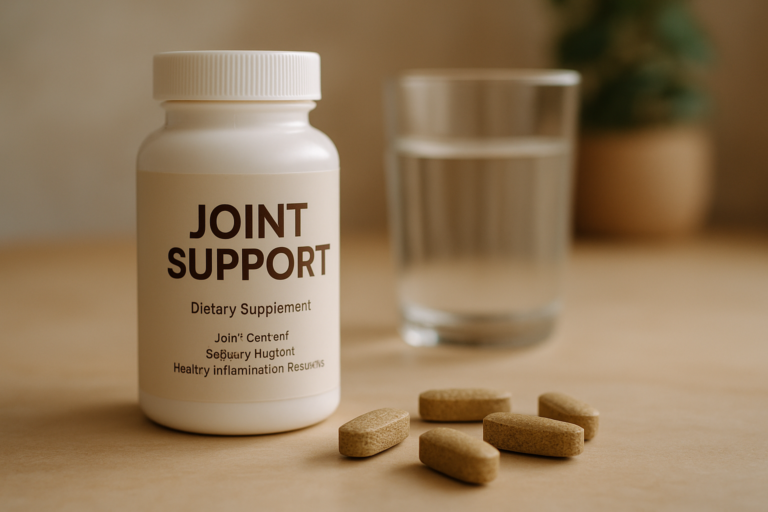
If you are exploring supplement support for your joint health as part of this routine, one option worth looking into is Joint Genesis from BIODYNAMIX. It is formulated around an ingredient called Mobilee, which has been tested in multiple clinical trials and is designed to support the synovial fluid environment inside the joint. The formula also includes French maritime pine bark, ginger root, boswellia serrata, and BioPerine — each chosen to complement the core ingredient.
It is one line item in a broader daily routine, not a standalone fix. Used consistently alongside the movement, food, hydration, and sleep habits described above, it may support what your body is already trying to do.
You can read more about the formula and how it was developed on the product page linked below.
A Quick Note on What to Expect From Your Doctor Visit
If you go in with painless knee swelling, your doctor will likely want to look at the knee, assess whether the swelling is inside or outside the joint, and ask questions about your history. In some cases they may recommend removing a small amount of fluid from the joint with a fine needle — this sounds more alarming than it is, and the fluid itself can tell them a great deal about what is causing the swelling. In other cases, imaging may be recommended.
The important thing is not to delay a visit simply because there is no pain. Painless does not mean unimportant, and the earlier a cause is identified, the more options you have.
If you are looking into joint support supplements as part of your daily routine, the product page for Joint Genesis includes a full breakdown of the ingredients and the research behind the formula. It is worth a read before you decide.
Visit the product page here:
Disclosure: This article contains affiliate links. If you purchase through them, we may earn a commission at no additional cost to you.
Medical Disclaimer. The content on this site is for informational purposes only and is not medical advice. It is not a substitute for professional diagnosis or treatment. Always consult a qualified healthcare provider before starting any supplement, especially if you have a medical condition or take medication.
FDA Structure-Function Statement. These statements have not been evaluated by the Food and Drug Administration. This product is not intended to diagnose, treat, cure, or prevent any disease.