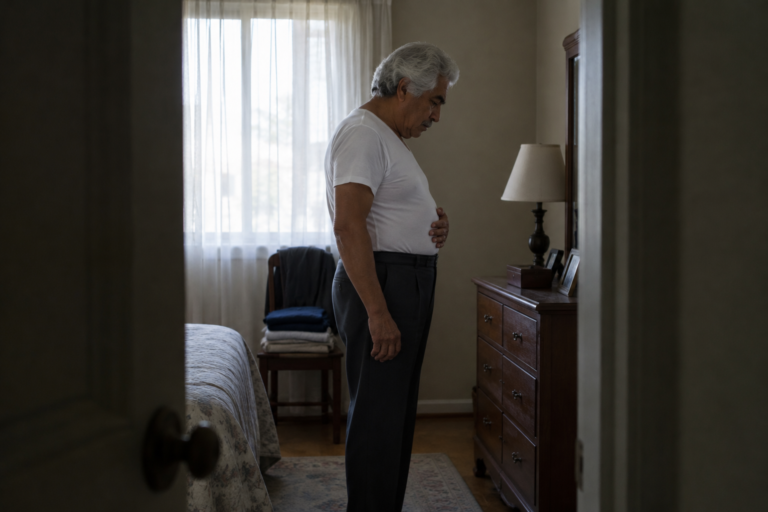

Nighttime Urination: Why Season and Travel Make It Worse
Heads up: this article contains affiliate links. If you buy through them, we may earn a commission at no extra cost to you.
If nighttime urination is already on your radar — an extra bathroom trip here, a broken stretch of rest there — you may have noticed something that most articles never mention: the problem does not stay the same from month to month.
Some seasons it settles down. Others it ramps up. And whenever you travel, everything seems to get thrown off. That is not in your head. There are real, identifiable reasons why these patterns happen, and understanding them puts you back in control.
Why the Pattern Changes: The Short Answer
Nighttime urination is affected by fluid intake, timing, body temperature regulation, hormone cycles tied to light exposure, and how much your legs retain fluid during the day. All four of those variables shift with the weather and your location. When several of them shift at once — say, a cold winter week at a conference hotel — the effect compounds fast.
Winter: Central Heating, Less Sweating, More Bathroom Trips
In warm weather, your body loses a meaningful volume of fluid through sweat, even when you are not exercising hard. That reduces the total volume your kidneys have to process at night.
Winter changes that equation completely. Cold air triggers mild blood vessel constriction. Your body pushes fluid inward, toward the core, and your kidneys respond by filtering more of it out as urine. At the same time, central heating is dry, which feels like it should be dehydrating you — but most men compensate by drinking more through the day without adjusting the timing of that drinking. If you are front-loading fluids at your desk until 7 p.m. because a warm mug of something feels good, you are setting up a busy night.
Practical winter adjustments worth making:
– Finish the bulk of your daily fluids by mid-afternoon and taper deliberately in the two to three hours before you plan to rest
– Keep evening beverages warm but small — comfort and volume are separate things
– Do a full bathroom trip as part of your wind-down routine, not as an afterthought right before you close your eyes

Free guide
30 Questions to Ask Your Doctor About Prostate and Urinary Health
Download our free 30-question guide and walk into your next prostate health appointment fully prepared. Enter your first name and email and you’ll get it right away.
You’ll get the guide right away, plus a few short tips by email. Unsubscribe any time. Privacy Policy
Summer Heat, Alcohol, and Late Evenings
Summer looks like the easier season for prostate comfort — you sweat more, so less fluid reaches your kidneys overnight. But the lifestyle that comes with summer often cancels that advantage.
Hot evenings push most men toward cold beverages in the hours before bed. Alcohol, even one or two drinks with dinner, is a diuretic: it suppresses a hormone that normally tells your kidneys to slow down urine production at night. Caffeine in afternoon iced drinks has a similar, though shorter-lived, effect.
Add in later social schedules — evening barbecues, patio dinners that run long — and you end up consuming more fluid, later, than you would on a typical weeknight in February.
Summer adjustments that make a real difference:
– Track when you are drinking, not just what — late volume matters more than total volume
– Shift alcoholic or caffeinated drinks to earlier in the afternoon when possible
– If late evenings are unavoidable, eat earlier and keep the drinking window shorter
Autumn: The Transition Nobody Plans For
Fall gets overlooked because it feels mild. But autumn is when many men see nighttime bathroom patterns quietly tick upward without understanding why.
Several things happen simultaneously in autumn. Days shorten, disrupting the hormonal signals your body uses to concentrate urine overnight. Cooler evenings bring back the warm-drink habit. Seasonal changes in activity levels often mean more time sitting in the evening, which allows fluid that pooled in your legs during the day to redistribute to your bloodstream and reach your kidneys just as you lie down.
That last point — leg fluid redistribution — is one of the clearest gaps in most online articles about nighttime urination. When you sit for long stretches during the day, gravity keeps extra fluid in your lower legs. The moment you lie down, that fluid moves into circulation. For men who sit at a desk from morning to evening, this is a substantial contributor to nighttime bathroom trips, and it gets meaningfully worse in cool months when you stop taking outdoor breaks.
Autumn adjustment that actually works:
– Take a 20-minute walk in the late afternoon, before dinner, to push fluid out of your legs while you can still process it before rest
– Elevate your feet for 30 to 60 minutes in the early evening — this drains the same fluid on nights you cannot walk
– Bring your wind-down routine forward so you are lying down earlier, with less fluid still in transit
Spring Travel and Conference Season
If you travel for work — and at the income and professional level most men reading this operate at, you likely do — spring and early fall conference seasons are their own category of disruption.
Travel stacks every variable at once:
– Time zone shifts scramble the hormonal cycle that concentrates urine overnight
– Hotel rooms are almost always drier than your home, creating a subtle thirst that leads to extra evening fluid intake
– Airport and conference food runs high in sodium, which pulls water into circulation and increases the volume your kidneys process
– Sitting in planes, trains and meeting chairs for extended hours maximizes leg fluid pooling
– Alcohol at networking dinners is culturally expected and usually timed late
Men who have their nighttime routine reasonably under control at home often find they are up two or three times in a hotel room. Almost none of that is random.
Travel-specific adjustments worth adopting:
– Hydrate aggressively in the morning before and after flights, then taper sharply after 5 p.m. local time (not home time)
– Bring a small bag of low-sodium snacks for flights and conferences to offset the sodium load in catered food
– Choose a hotel room on a floor where the bathroom is not across a large cold room — friction matters at 2 a.m.
– If you cross more than two time zones, give yourself one to two nights before expecting your nighttime routine to normalize
What Does Not Change With the Season: Prostate Support
None of the adjustments above change the underlying condition of your prostate. Seasonal habits shift how much stress is placed on a system that may already be working harder than it should.
This is where a consistent daily support routine matters, and where many health-optimizing men find that seasonal adjustments alone are not quite enough to feel the way they want to feel.
According to the vendor, ProstaVive is a powdered daily supplement formulated specifically to support prostate comfort, healthy urinary flow, and the kind of circulatory support that matters for prostate tissue. The vendor states it is designed to be mixed with water or a beverage once a day — simple enough to maintain consistently whether you are at your desk in January or in a hotel room in October.
According to the vendor, the formula includes ingredients with established roles in men’s prostate health. Nettle root has been used for many centuries to support urinary tract health in men and promote prostate health. Boron is associated with supporting a healthy prostate and helping optimize natural detoxification. Tongkat Ali supports prostate health and prostate circulation. Panax ginseng supports healthy circulation in and around the prostate. Ashwagandha, fenugreek, maca root and artichoke extract each contribute to the formula’s overall synergistic effect on prostate wellness and circulatory support.
The supplement also includes zinc, which supports healthy prostate function, magnesium for deeper rest and healthy circulation, and vitamin D, which plays a broad role in prostate and overall bodily health.
The vendor states the formula is built around a nitric oxide support angle — nitric oxide being a molecule that, according to the vendor, helps relax the inner muscles of the blood vessels in the prostate, supporting the flow of nutrient-rich blood to prostate tissue. That mechanism, the vendor suggests, is relevant regardless of the season, and may be particularly worth maintaining during winter months when circulation to peripheral tissues and the pelvic region tends to be under more pressure.
According to the vendor, if you choose a three- or six-bottle supply, two bonus guides are included: a prostate health smoothies guide and a healthy lifestyle resource for men. Both are delivered digitally.
Results vary between individuals. No supplement replaces the lifestyle adjustments covered above, and if you have any underlying health concerns or take other medications, speaking with your clinician before starting any new supplement is always the right call.
A Season-by-Season Quick Reference
Winter: Taper fluids earlier, reduce evening beverage volume, support circulation.
Spring/Travel: Hydrate early, cut sodium where possible, adjust timing to local time zone immediately.
Summer: Watch alcohol and caffeine timing, not just total intake. Later evenings require deliberate earlier drinking cutoffs.
Autumn: Walk in the late afternoon to drain leg fluid before you lie down. This one change makes a measurable difference for desk-bound men.
Consistency across all four seasons — in both lifestyle habits and daily supplementation — is what separates men who get ahead of prostate concerns from those who are always reacting to them.
If you want to look at the full ingredient profile, the nitric oxide support rationale, and the current pricing options for ProstaVive, the product page has everything laid out clearly.
Visit the product page here:
Disclosure: This article contains affiliate links. If you purchase through them, we may earn a commission at no additional cost to you.
Medical Disclaimer. The content on this site is for informational purposes only and is not medical advice. It is not a substitute for professional diagnosis or treatment. Always consult a qualified healthcare provider before starting any supplement, especially if you have a medical condition or take medication.
FDA Structure-Function Statement. These statements have not been evaluated by the Food and Drug Administration. This product is not intended to diagnose, treat, cure, or prevent any disease.